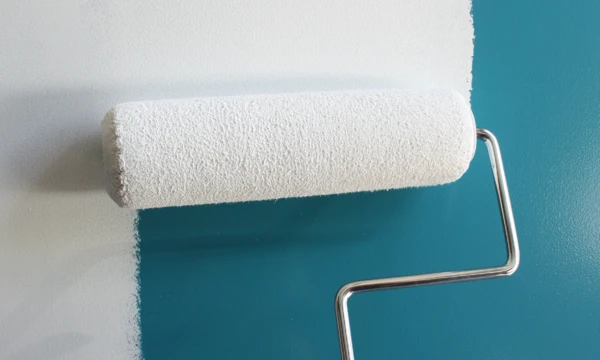

How to Protect Floors When Painting


The way you feel after finishing a painting project often comes down to what you did before the brush even touched the wall. If the floor is not properly covered, one tray spill, one heavy roller flick, or one wet footprint can quickly turn a simple job into a frustrating clean-up.

That is why learning how to protect floors when painting is one of the most important parts of paint preparation.

The right floor cover prevents paint spatter, protects against scratches, reduces slip hazards, and keeps clean-up time to a minimum. Whether you are working over polished timber, tiles, laminate, or carpet, using the correct floor protection for painting helps you work faster, safer, and with more confidence.

The best way to protect floors when painting is to use a surface-specific drop sheet or protective film designed for the job. This guide will help you choose the right solution for each floor type and show you how to set it up properly.

Why Floor Protection Matters Before You Start Painting

Many people think drop sheets are only there to catch drips. In reality, proper floor protection for painting does far more than that.

It protects against:

  • paint spatter
  • roller tray spills
  • sanding dust
  • ladder scuffs
  • wet shoe marks
  • accidental tool drops

Without proper protection, polished timber can stain, laminate can scratch, tiles can become slippery, and carpet can absorb paint deep into the fibres.

A few minutes of preparation can prevent hours of clean-up and costly floor damage.
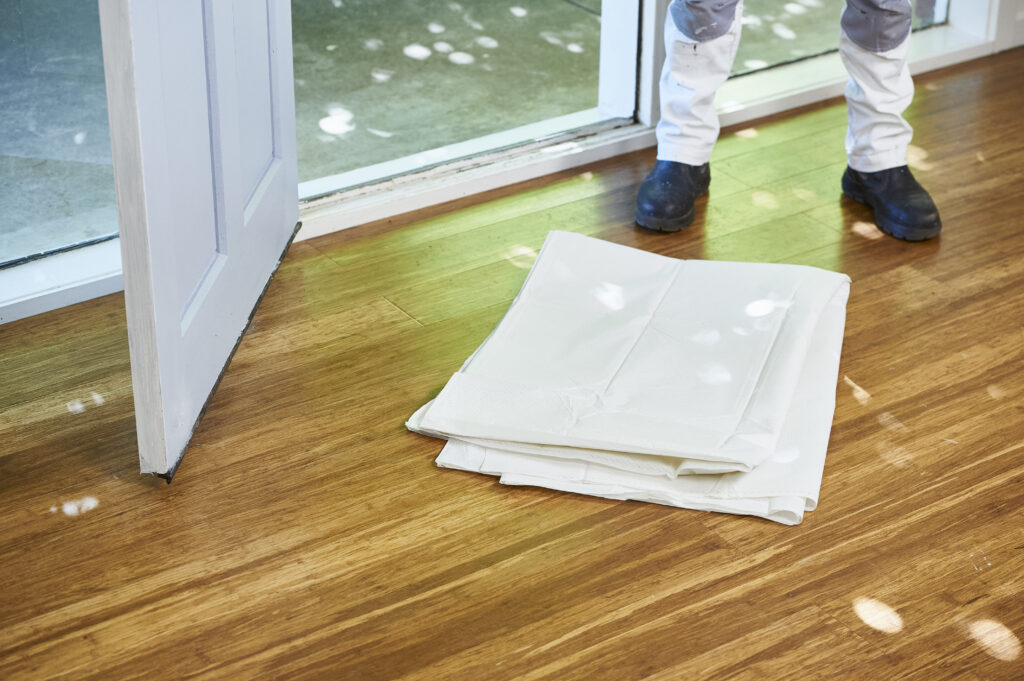
Person showing Monarch Drop sheet type

What You Need to Protect Floors When Painting

If you want to properly protect floors when painting, household sheets and towels are not enough. You need purpose-built painters drop sheets designed for foot traffic, wet paint, and ladder movement. Reliable options provide better grip, stronger absorbency, and more stable coverage than makeshift materials.

Monarch offers a complete range of professional floor protection solutions. Each product is designed for a specific surface and job type, making it easier to choose the right protection the first time.
How to Choose the Right Floor Protector

If you are asking what to put on your floor before you start painting, the answer depends on the surface you are working on. Different rooms require different levels of grip, absorbency, and surface adhesion.

Best for Polished Timber and Tiles

Hard floors need protection that stays in place while also handling spills and movement.

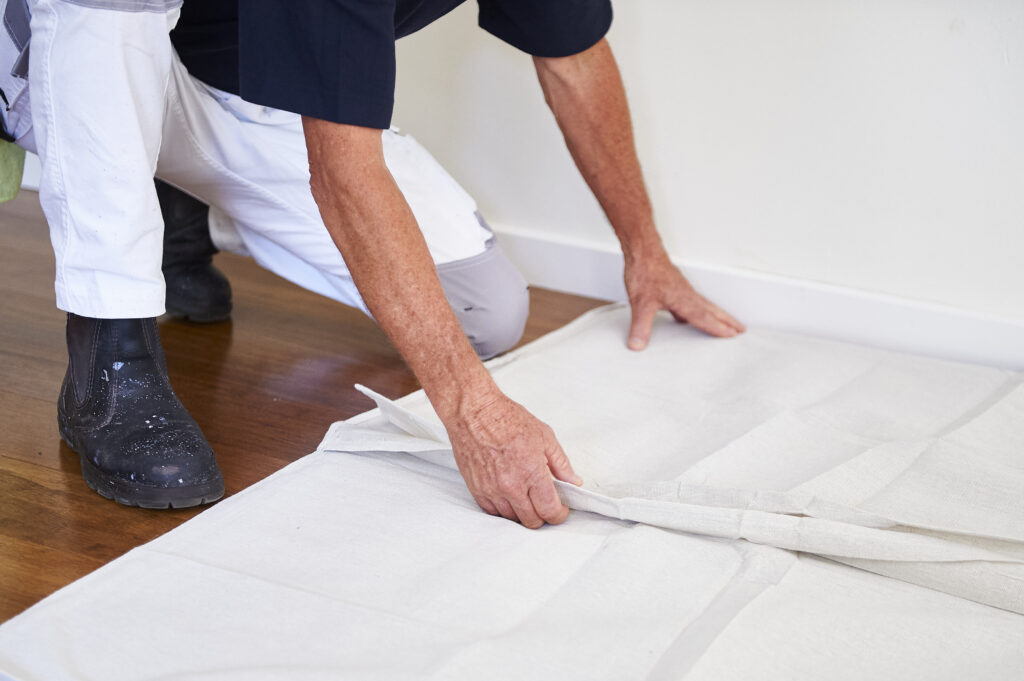
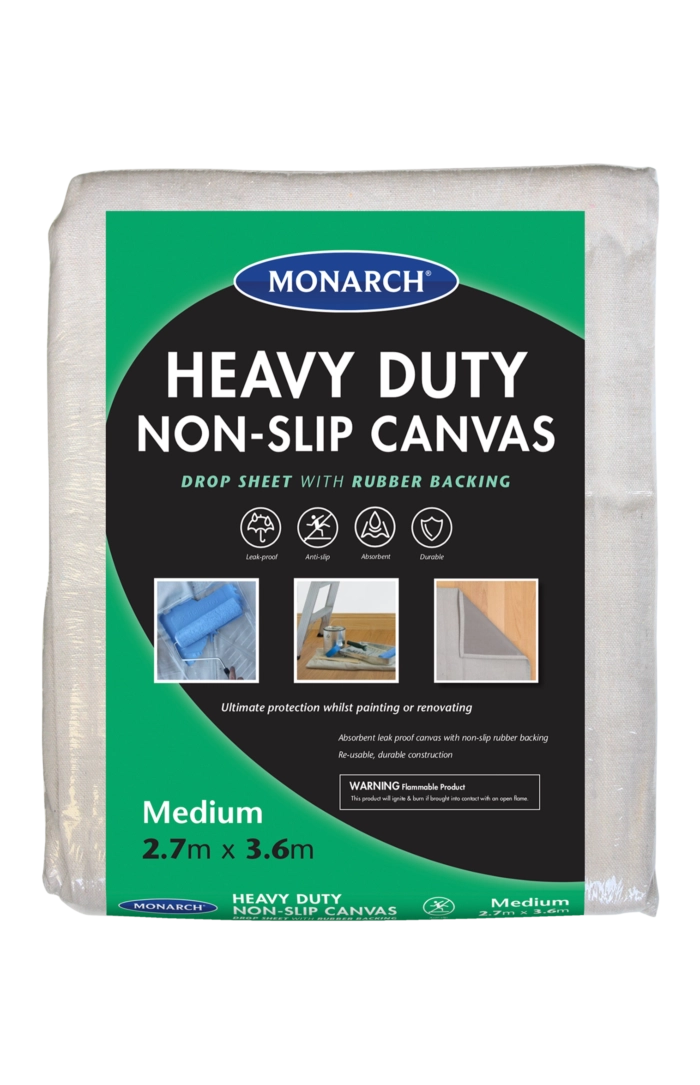
Monarch Heavy Duty Non-Slip Canvas Drop Sheets are ideal for polished timber, tiles, and other smooth surfaces. Made from durable canvas with a non-slip rubber backing, they stay in place and help reduce movement underfoot. Finished hems and reinforced seams also prevent fraying, making them strong and reusable for medium to large spaces.

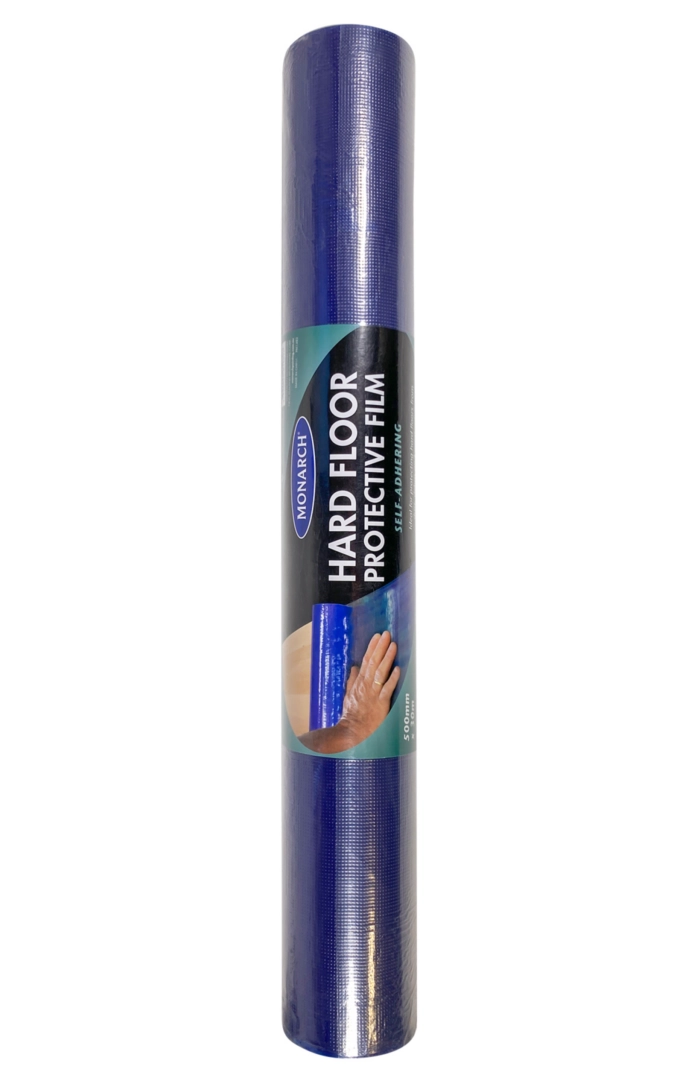
For added protection, pair them with Monarch Hard Floor Protective Films. This tear-resistant film adheres to the surface to help prevent movement and protect against paint spatter, dirt, and debris.

Together, these two layers create reliable, slip-resistant floor protection that performs well in high-traffic painting areas.

Person protecting floor using Monarch Drop Sheet

Best for Polished Timber and Tiles

Carpeted areas require protection that prevents paint from soaking into fibres, while smaller rooms and hallways need flexible coverage that fits tight spaces.

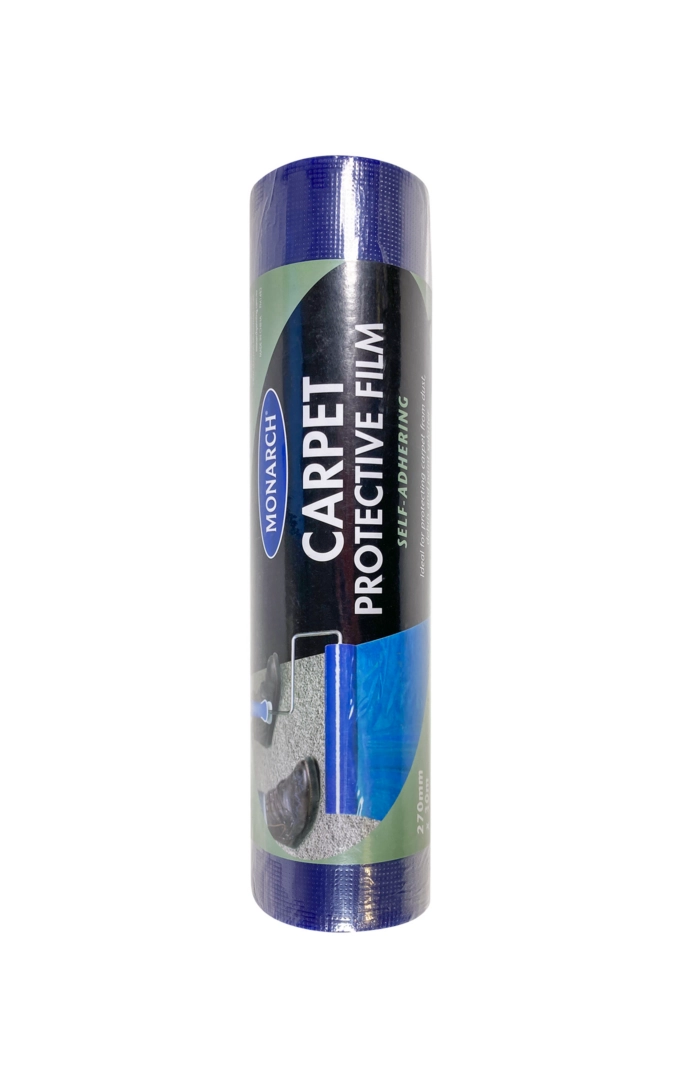
Carpet is one of the most difficult surfaces to recover once paint has soaked in. That is why Monarch Carpet Protective Film is often the safest first layer. It adheres directly to the carpet, forming a secure barrier that stops spills from reaching deep into the fibres. This makes it the best answer to what to put on floor before painting in bedrooms, lounges, and carpeted living areas.

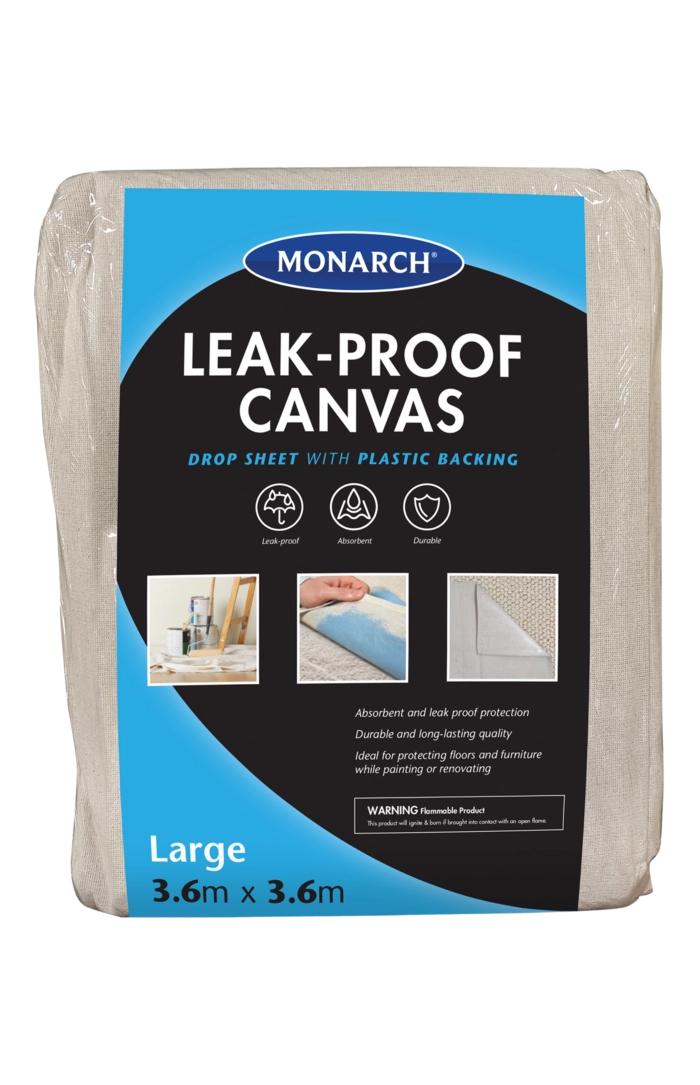
In smaller or tighter spaces such as bathrooms, laundries, hallways, and entryways, flexibility becomes just as important as spill protection. A Monarch Leak Proof Canvas Drop Sheet is smaller and easier to manage than heavy-duty sheets. It folds neatly around toilets, vanities, and corners, while the waterproof backing helps prevent paint from soaking through.

For best results, use Monarch Carpet Protective Film as the base layer on carpeted areas, then add Monarch Leak Proof Canvas Drop Sheets over active painting zones and walk paths for extra absorbency and movement control.

Best Eco-Conscious Option

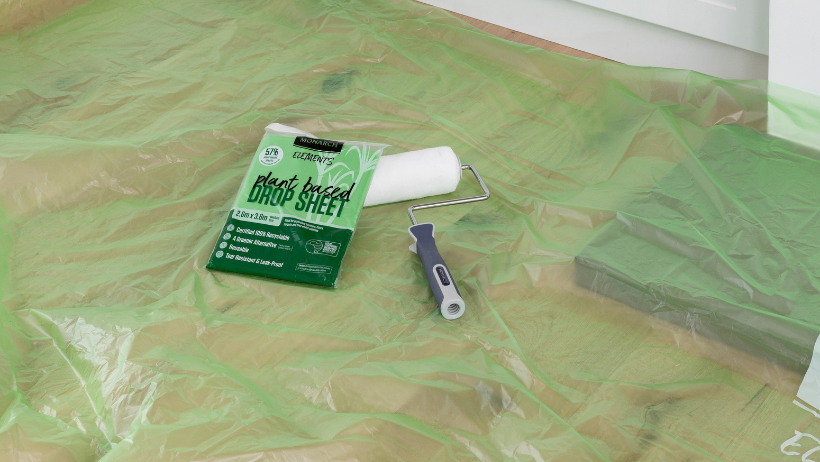
An eco-friendly drop sheet provides reusable protection while reducing waste. A Monarch Elements Plant Based Drop Sheet offers a more sustainable alternative without compromising on performance.

It reduces reliance on single-use plastic while still delivering strong absorbency and reliable floor coverage during painting projects. For painters looking to make more environmentally conscious choices, it is a practical and durable option.

Monarch Eco conscious Drop Sheet

Need Dependable Floor Protection Before You Start?

Choosing the right protection protects more than just your floors. It reduces clean-up time, improves movement around the room, and helps prevent avoidable spills.

Monarch’s purpose-built range is designed to give painters confidence from setup to the final coat.

Explore Monarch drop sheets or use Monarch Painting Tool Kit before your next project.

Step-by-Step Guide to Laying Drop Sheets and Films Properly

Knowing what to use is important, but correct installation is what ensures real protection.

Step 1: Clean the floor thoroughly by sweeping or vacuuming first. Dust can prevent tape and film from sticking properly.

Step 2: Tape along skirting boards. Seal all edges where walls meet floors to prevent leaks.

Step 3: Lay drop sheets or protective film flat to avoid folds, or raised edges, that may cause trip hazards.

Step 4: Overlap all joins by at least 10 cm to ensure full surface coverage.

Step 5: Secure with tape where needed. Taping corners and edges help prevent movement during painting.

Step 6: Double layer under tray zones. Add extra protection under roller trays to catch heavy spills.

Step 7: Perform a walk test. Check that all coverings remain stable before you start painting.

Best Monarch Floor-Protection Products at a Glance

Monarch designs floor protection for specific painting conditions rather than a one-size-fits-all approach. This ensures better grip, stronger absorbency, and more reliable movement control across different surfaces.

FAQs

What is the best way to protect floors when painting?

Use a surface-specific protective film combined with a heavy-duty canvas drop sheet in active work areas.

What is the best drop sheet for timber floors?

A non-slip canvas drop sheet paired with a hard floor protective film provides the best protection.

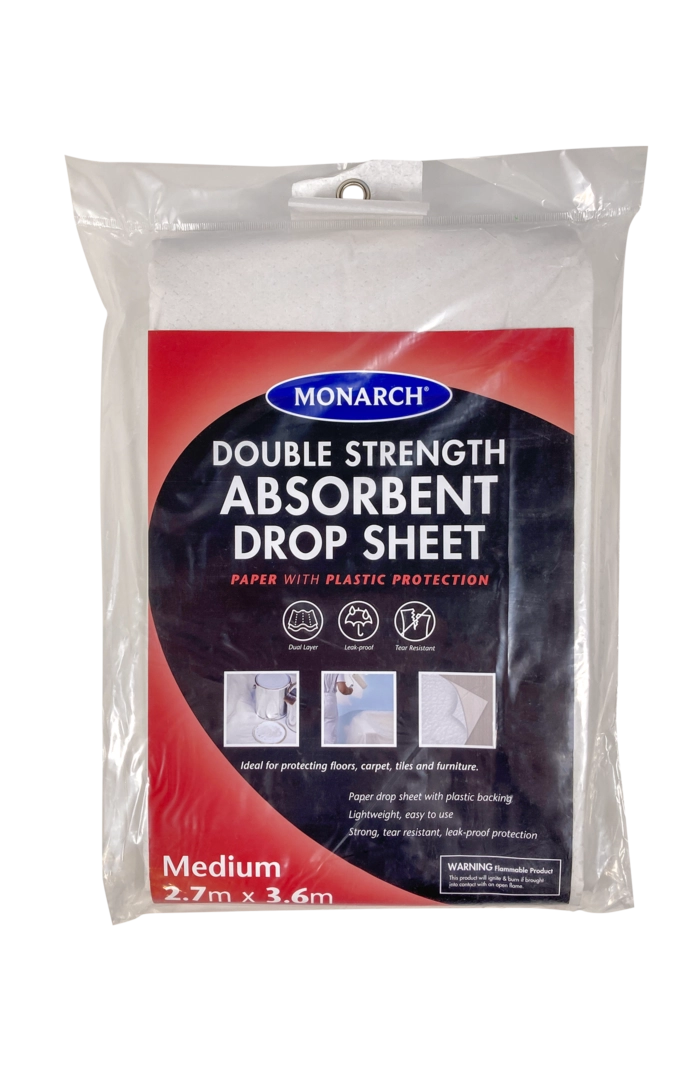
Plastic drop sheet vs canvas drop sheet: which is better?

Canvas is more absorbent and stable, while plastic is fully waterproof but can shift more easily depending on the surface. The answer depends on the surface you are working on. Different rooms require different levels of grip, absorbency, and surface adhesion.

How do I protect carpet when painting?

Use carpet protective film as a base layer, then add a drop sheet over active painting areas for extra control.

Should I tape drop sheets to the floor?

Yes. Taping drop sheets down helps prevent movement and reduces the risk of paint spills caused by shifting sheets.

Can I use plastic sheeting to protect floors when painting?

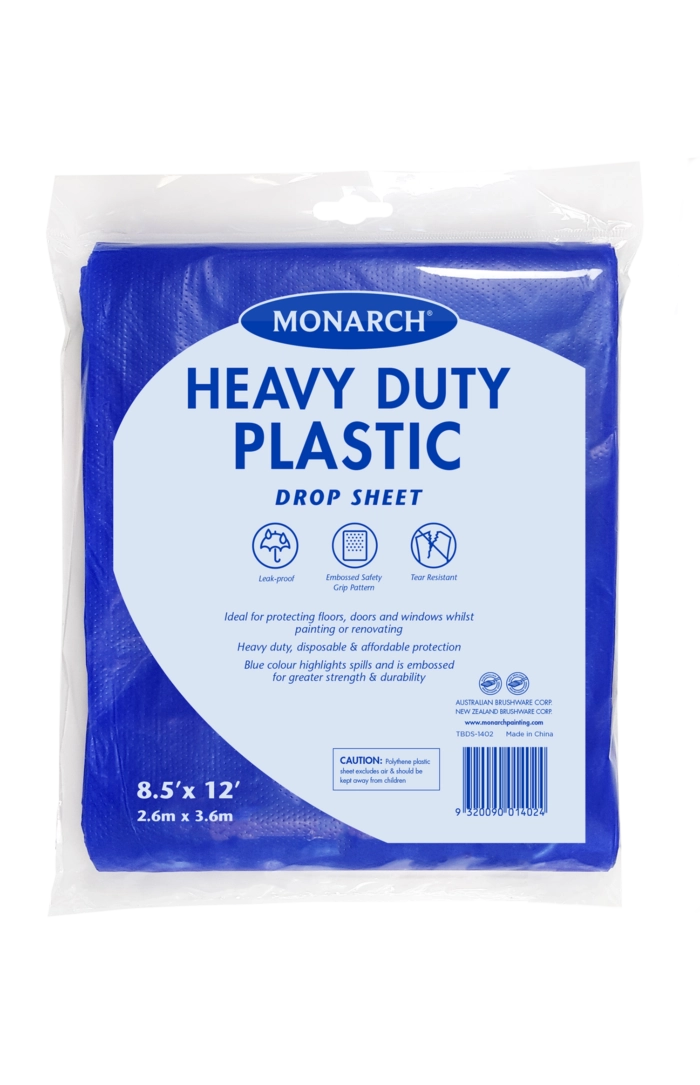
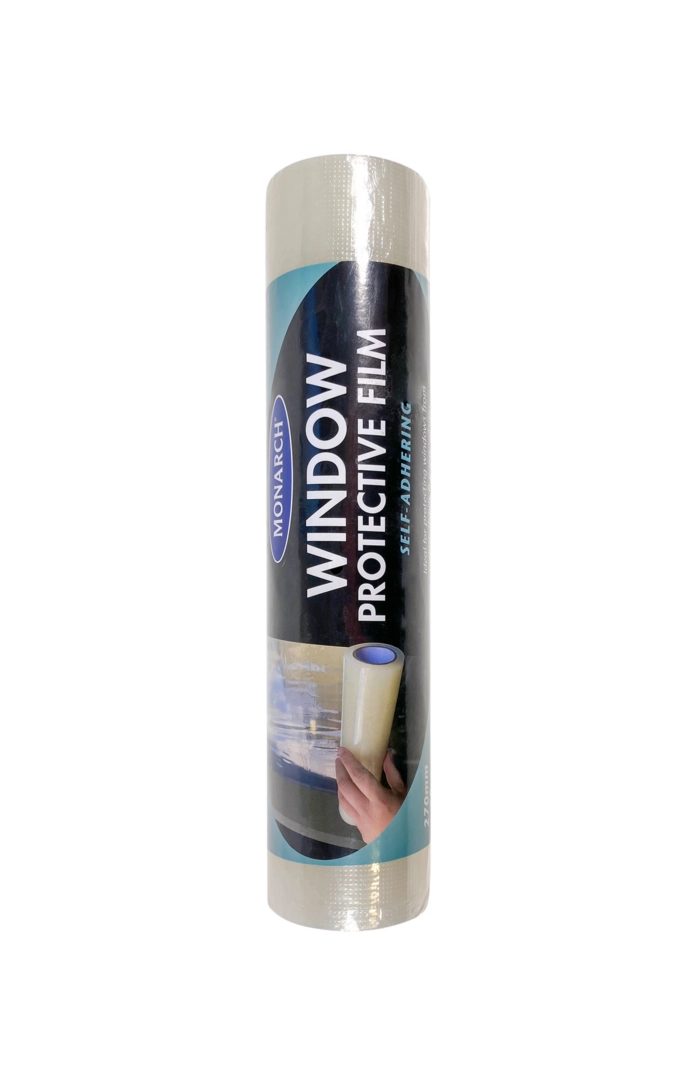
Yes. Monarch Heavy Duty Plastic Drop Sheets provides leak-proof protection for floors, doors, and windows. They are tear-resistant and the bright blue colour helps highlight spills clearly during painting or renovation work.

More How To Tips