



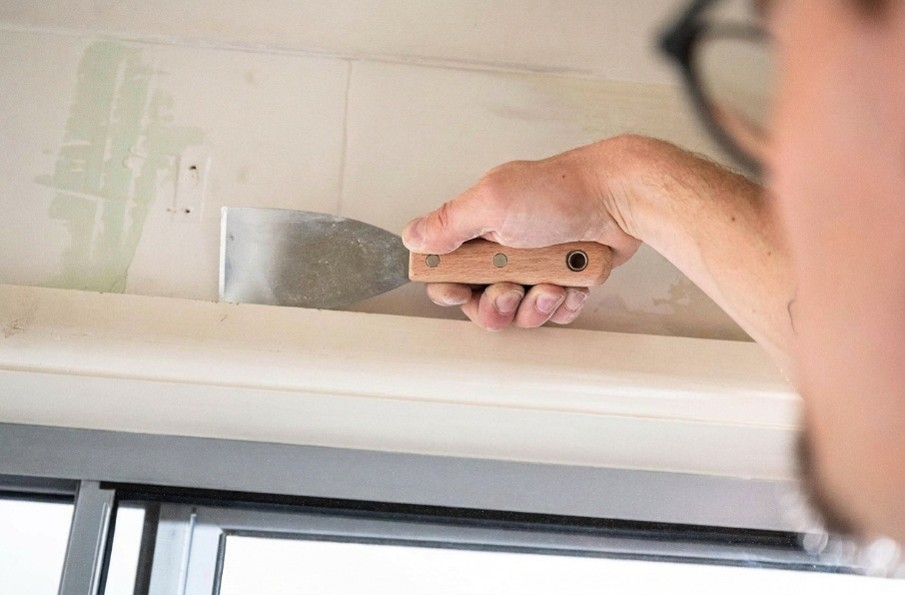
Want a quality paint finish that actually lasts? It all starts with proper surface preparation and one of the most important tools for the job is a paint scraper.
Whether you’re dealing with peeling paint on weatherboards, flaking paint on fences, or built-up layers on doors and trims, a paint scraper helps you remove the problem areas before you start painting. This ensures you’re not painting over damaged surfaces, which is one of the main reasons paint jobs fail early.
In this guide, you’ll learn how to use a paint scraper, where it’s needed around the home, and how to choose the right Monarch scraper for each project.
Why surface preparation with a paint scraper matters
It can be tempting to jump straight into painting, but skipping prep is the main reason paint jobs fail early. Old paint that is peeling, bubbling, or flaking won’t support a new coat. If you paint over it, the new layer is only as strong as what’s underneath and that usually means it will start lifting again. Using a paint scraper removes those weak spots so your new paint has a clean, solid surface to bond to.
How to use a paint scraper (step-by-step guide)
Identify loose or damaged paint
Look for peeling edges, bubbles, cracks, or rough patches. These areas should always be removed first.
Set the correct angle
Hold the scraper at a 30–45° angle to the surface. This helps lift paint cleanly without damaging timber, plaster, or metal underneath.
Use controlled, steady pressure
Let the blade do the work. Short, controlled strokes give better results than forcing the scraper.
Only remove what’s necessary
You don’t need to strip everything back—just the paint that is loose, cracked, or failing.
Finish with light sanding
Once scraping is complete, lightly sand the surface to smooth edges and prepare it for primer or paint.
Where to use a paint scraper
Different surfaces fail in different ways, and knowing where to use a paint scraper is key to achieving a smooth, long-lasting finish. Below are the most common DIY projects where scraping and surface preparation make a real difference.
1. Exterior weatherboards and fences
Exterior timber is constantly exposed to sun, rain, and temperature changes. Over time, this causes paint to peel, bubble, or become chalky.
If you paint over these areas, the new coating will only stick to the failing paint underneath—leading to early peeling and patchy results. Scraping removes these weak sections so you’re back to a solid surface before repainting.
Recommended Monarch tool
Monarch Stiff Paint Scraper – Ideal for large exterior areas and tougher paint layers. Designed to give you strength and control when removing flaking paint from fences and weatherboards.
2. Window frames and trims
Window frames and trims are detailed areas where paint often builds up in corners, joints, and edges. You may also find old paint drips or leftover glazing material. These areas need careful, controlled scraping to keep edges clean without damaging the timber.
Recommended Monarch tool
Monarch Non-Stick 5 in 1 Scraper – The Perfect for detailed work, tight corners and delicate trimming where accuracy matters most.
3. Doors and cabinetry
Doors and built-in cabinets often have multiple layers of old paint from previous renovations. This can create thick edges, uneven surfaces, and visible build-up. A scraper helps smooth these imperfections so your new coat goes on evenly.
Recommended Monarch tool
Monarch Standard Paint Scraper – Great for flat surfaces and general interior prep, helping you remove drips and surface imperfections easily.
4. Decking and outdoor timber
Decks, steps, and outdoor timber surfaces are constantly exposed to weather and foot traffic. Over time, coatings can lift, crack, and peel. Before sanding and resealing, these loose layers need to be removed so the new finish can properly protect the timber.
Recommended Monarch tool:
Monarch Heavy-Duty Paint Scraper – Strong and reliable for removing worn exterior coatings from larger timber surfaces.
5. Repairing Cracks and Surface Imperfections
Before painting, take the time to fill cracks, dents and nail holes to create a smooth, even surface. A flexible scraper makes this job easier by helping you apply filler evenly and achieve a cleaner finish with less sanding.
Recommended Monarch tool
Monarch Non-Stick Flex Scraper - Its flexible titanium-coated blade provides excellent control, while the non-stick coating helps filler release easily for quicker clean-up and a smoother result.
Top tips for using a paint scraper
- Only remove loose or damaged paint—don’t over-strip the surface
- Keep your scraper blade sharp for cleaner results
- Work slowly in detailed areas for better control
- Always sand after scraping for a smoother finish
- Use the right Monarch scraper for the job instead of forcing one tool to do everything


