
The Power of Painting Interior Panelling: Small Details, Big Impact


Interior wall panelling upgrades are one of the biggest home styling trends in Australia right now. From classic wall mouldings to modern timber slat walls, upgrading your interior panels with paint can completely transform a room without the need for a major renovation.

Whether you are refreshing a hallway, upgrading a bedroom, or creating a feature wall in your living room, painting interior panelling is a simple and cost-effective way to add texture, depth, and character to your home.

Read on and find out how the right paint colours, proper preparation, and high-quality painting tools can help you achieve a smooth, professional finish that makes a lasting impact.
Why Paint Your Interior Wall Panelling?

Interior wall panelling adds visual detail that flat painted walls can sometimes lack. It creates subtle shadows, clean lines and architectural interest that instantly make a room feel more premium.

Incorporating a new paint colour on interior wall panels is a great way to:

  • Create a stylish feature wall
  • Add warmth and texture to interiors
  • Improve the look of plain walls
  • Create a high impact, small effort update in both modern and traditional homes
  • Increase the feeling of depth in smaller rooms

The most important part of the project is the painting. Whether you choose shaker-style wall panelling, VJ panels, beadboard, or timber slats, a great paint finish can help bring every detail to life.

Paint Colours for Interior Panelling

Best Paint Colours for Interior Panelling

The right colour can completely change the mood of your space.

Neutral Wall Panelling Colours

Neutral tones such as soft whites, warm beiges, and light greys are fantastic options for painting interior wall panels, as they provide a timeless finish that suits all interiors. Neutral colours work especially well in living rooms, hallways, bedrooms, and open-plan spaces.

Dark Feature Wall Colours

Incorporating deep green, navy blue, charcoal, and earthy tones can create dramatic feature walls that feel sophisticated and modern. Darker painted panelling works beautifully in dining rooms, home offices, and cosy lounge spaces.

How to Paint Interior Wall Panelling

How to Paint Interior Wall Panelling

A professional finish starts with proper preparation.

Step 1: Clean the Surface

Dust, grease, and dirt can affect paint adhesion. Wipe down all wall panelling thoroughly before starting.

Step 2: Fill and Sand

Fill gaps or imperfections, then lightly sand the surface to create a smooth base for painting.

Step 3: Prime the Panelling

Priming is critical and it's especially important to use a quality primer if you are painting bare timber or glossy surfaces.

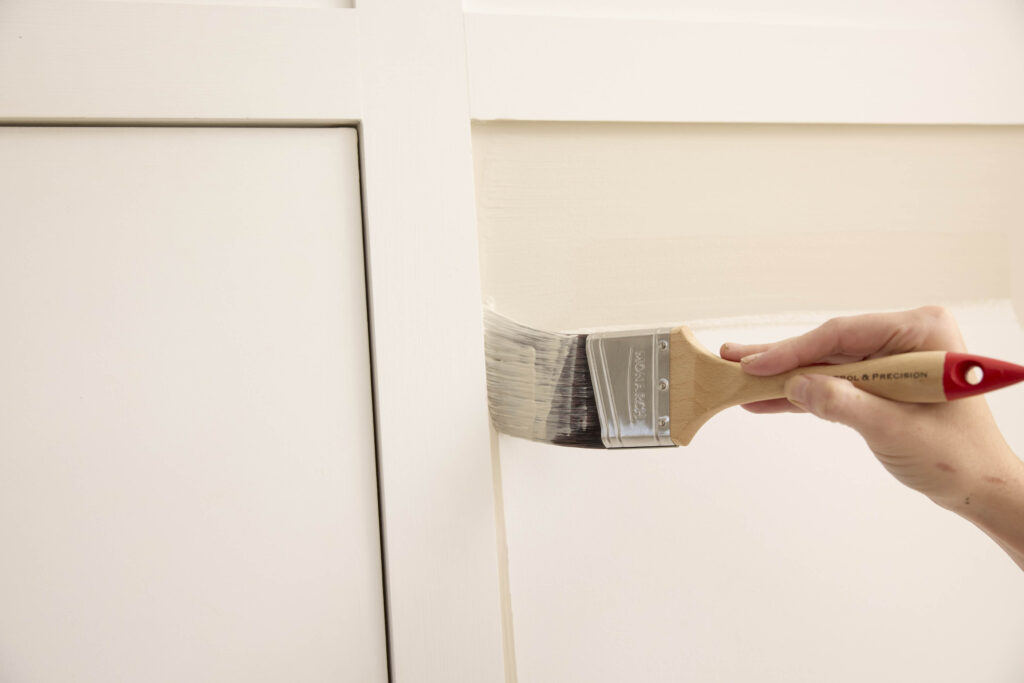
Step 4: Cutting In

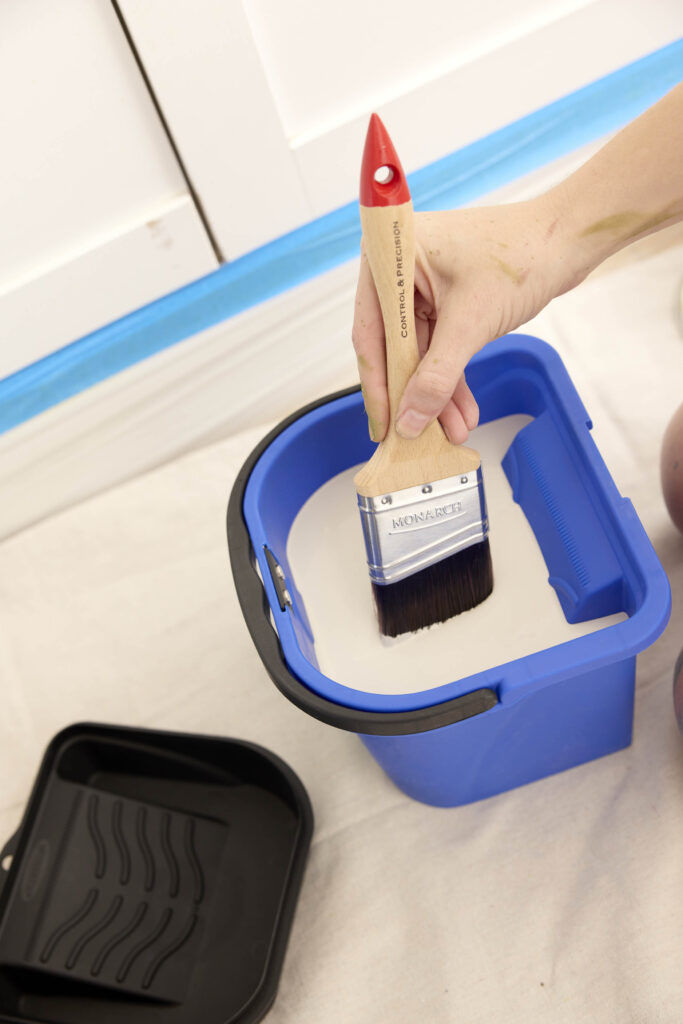
Detailed surfaces require precision and controlled brushwork. High-quality brushes help cut in corners cleanly.

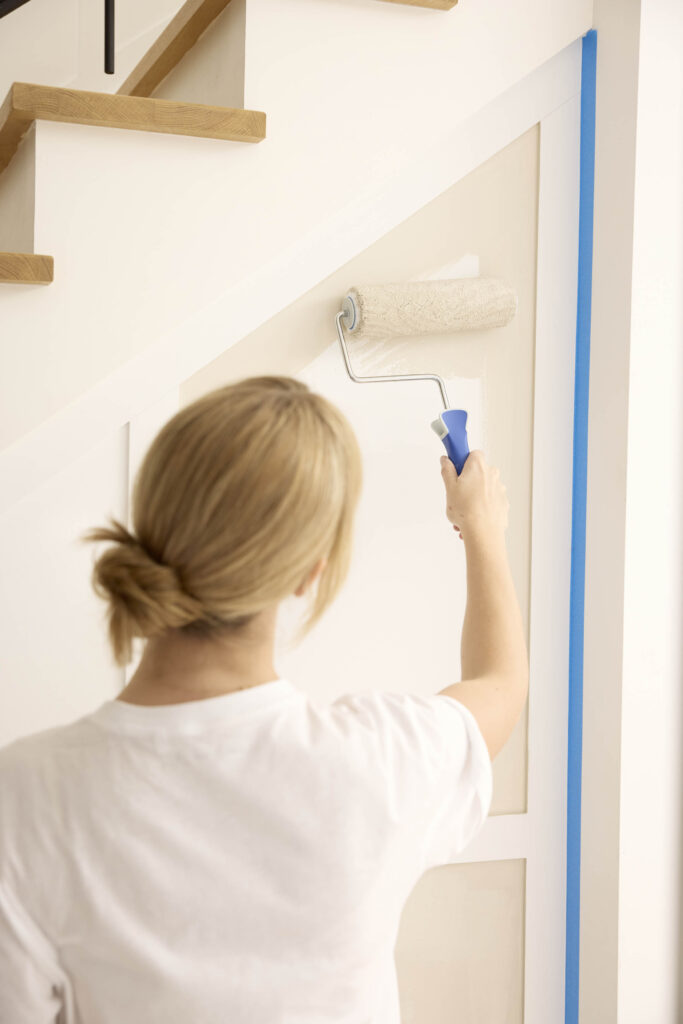
Step 5: Using the Roller

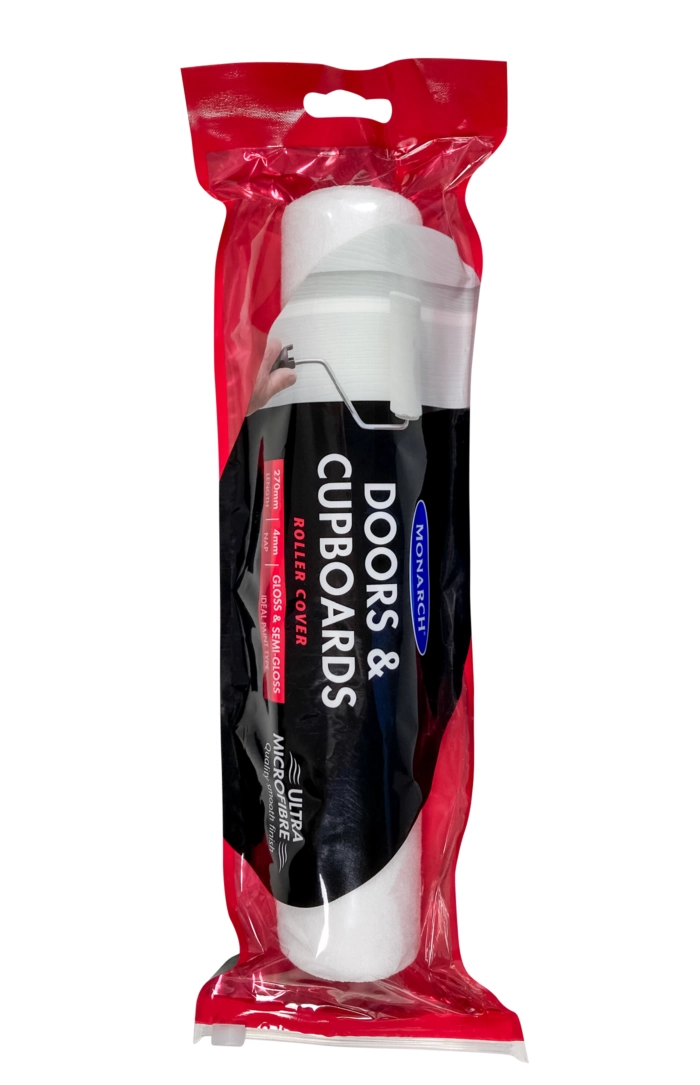
Use your roller to paint the rest of the wall using smooth, even strokes. This can be done with either a standard roller or a mini roller with a medium nap length (around 9-14mm).

Step 6: Apply Two Coats of Paint at Minimum

Two even coats typically deliver the best colour depth, durability, and finish. There may be times you’ll require a third, depending on the colour, paint type and surface.

Why Quality Painting Tools Matter

Why Quality Painting Tools Matter

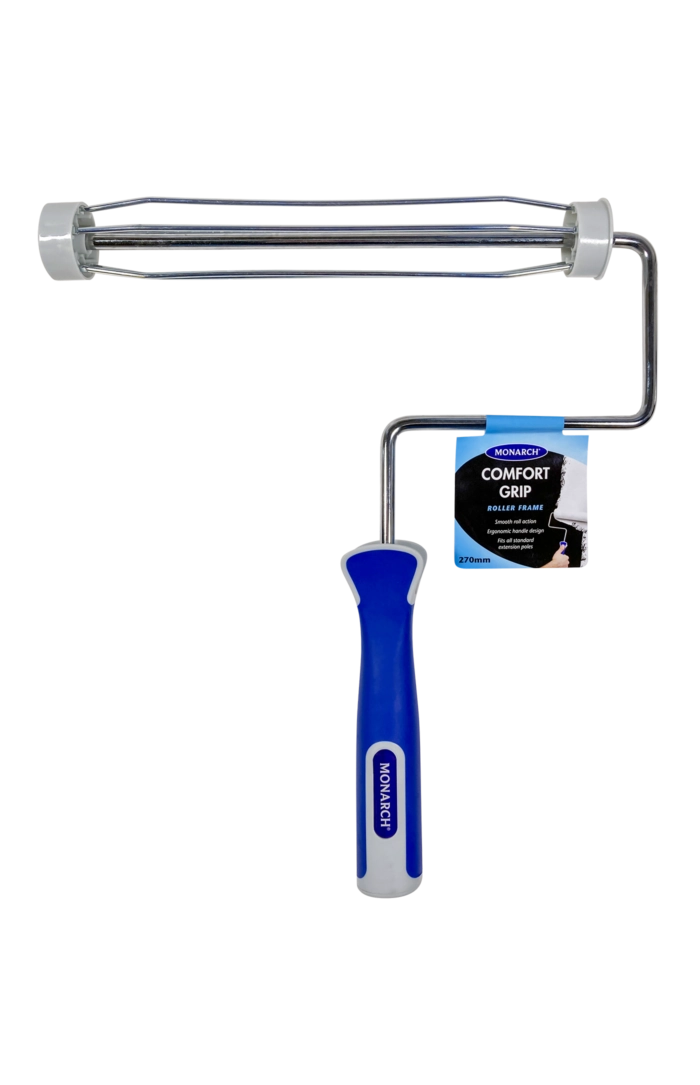
Monarch painting tools are designed to help DIY painters and professionals achieve consistent, professional-looking results with less effort. Premium brushes and rollers provide smooth paint application, excellent coverage, and greater control across detailed wall surfaces.

Premium painting tools help:

  • Improve paint coverage
  • Reduce brush marks
  • Deliver smoother finishes
  • Improve precision around edges
  • Make painting easier and faster

Painting interior wall panelling is one of the simplest ways to transform your home with colour, texture, and style. Whether you prefer modern neutral tones or bold feature walls, painted panelling creates a polished finish that feels both timeless and contemporary. With careful preparation and quality painting tools, you can confidently achieve a professional result you will be proud of.

FAQ

Do I need to sand wall panelling before painting?

Yes. Light sanding helps paint adhere properly and creates a smoother final finish.

Can you paint timber wall panelling?

Absolutely. Timber wall panelling can be painted successfully with proper preparation and priming.

What colours work best for wall panelling?

Popular wall panelling colours include white, beige, navy, deep green, and charcoal.

What tools are best for painting wall panelling?

High-quality brushes and mini rollers provide the best control and finish when painting detailed interior wall panelling surfaces.

More How To Tips